


It is well-known to every individual running any store that theft is something that can cost a lot of money. Hence, the question should not be whether to counter theft but what methods should be chosen. There are two methods that many stores choose, like security personnel and hidden agents. In the present article, however, we are going to discuss how both of these methods work, their pros and cons, and how to choose the best one for the given store.
What Is Retail Loss Prevention?
Retail shrinkage control refers to preventing thefts and other losses occurring within a retail outlet. Shoplifters, employees stealing from the cash register or the warehouse, and even unintentional errors leading to lost inventory are all included. There are many less than obvious ways in which stores are losing their money, and successful loss prevention aims at the prevention of the problems before they accumulate to the point of causing real losses.
There are two basic approaches to the control of retail shrinkage. These approaches can be divided into visible security guards working in uniform and undercover detectives who pretend to be customers and monitor all activities inside the store.
The Case for Visible Guards
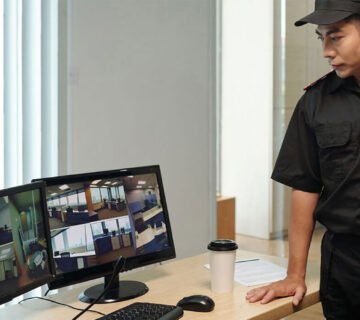
The function of a visible guard is clear. Their appearance is easy to recognize and relies mainly on one thing: they wear a uniform and take their position close to the entrance where everyone can notice them. Because of this, many criminals usually hesitate to steal as long as a guard is around; thus, the presence of visible guards makes the customers feel more secure, which is a great benefit for the shop’s prosperity.
Another important benefit of visible guards is their ability to act instantly. If problems occur in the store, such guards are always there to help.
Where Visible Guards Fall Short
The major challenge with having guards in sight is that they are, well, visible. It is common for skilled shoplifters to watch a guard, wait for the guard to do something else, and then steal. A guard can only watch one section of the store at a time. It is difficult for one guard to cover a large store with many aisles and exits.
Visible guards also don’t help deter theft by employees, as staff members already know where the guard is located. In fact, in some cases, a guard can even make innocent customers feel like they are being watched or suspected, which most stores would rather not admit.
The Case for Undercover Operations
Undercover loss prevention agents usually wear normal clothes and pretend to be ordinary shoppers. This allows them to move freely within the store and catch any culprits that would have otherwise evaded a visible security guard. As such, they are able to catch even the most skilled thieves and organized crime groups, as they know how to spot someone in a uniform.
Dan and his undercover team are a strong weapon against staff theft since no one knows who is watching. They can monitor a person from the moment they take an item to when they leave.
The Limitations of Undercover Operations
The main drawback of undercover work is that it does not provide any alerts to petty thieves, as there are no deterrents. Although more thefts could occur, more also get apprehended. This type of work requires agents to be trained more thoroughly, knowing the exact legal procedures for stopping and questioning a suspect.
It can be unsafe to operate alone as tensions arise. This type of work also takes a long time to complete, as agents usually have to observe many behaviors before taking action.
Which Option Is Right for Your Store?
There is no single answer, as it depends on the type of shop you have. If you have a smaller shop with a simple layout, a visible security guard may be all that you need since the main aim is to scare off thieves, who may be looking to get away with taking items quickly while making a purchase. For a larger shop, or one that has employees stealing through organized theft, undercover agents may be needed.
Several shops find that a combination of both options works best. A visible guard is effective in warding off casual thieves, while undercover agents are able to catch serious shoplifters in the act.
Final Thoughts
Undercover agents and uniformed security personnel offer benefits in different ways. The most effective loss prevention strategy uses both forms of security. Making the right choice depends on understanding the risks facing your own store.
Protect What You’ve Built
If you are ready to build a loss prevention plan that fits your store, reach out to Apex Shield Protection Services. Our team can walk your store, spot your current gaps, and recommend the right mix of visible and undercover support. Contact Blink Security today to protect your stock, your staff, and your bottom line.



No comment