


The term “fire watch” may be encountered by anyone managing buildings or construction sites or organizing large events in Canada. It seems simple but has a legal meaning. This post explains what it means, when it is required by the law in Canada, and what the process is after it has started.
What Is a Fire Watch?
A fire watch refers to a temporary type of fire protection employed in a building where the usual fire protection system is turned off or has broken down and is being fixed. Instead of depending on the fire protection system that is not working, individuals who are trained to conduct fire watch patrols for observing the presence of fire or smoke in compliance with the approved schedule are hired. They are supposed to ensure that a fire watch is in place for a limited period of time, functioning merely as a temporary solution while waiting for the malfunctioning fire protection system to be repaired.
Who Decides When a Fire Watch Is Required?
In Canada, fire safety regulations are derived from the National Fire Code of Canada, which is implemented and adapted by each province and territory according to their respective needs. The local fire division decides on fire watch needs and implementation methods.
As a result, two identical buildings located in different towns may have different regulations concerning fire watch. Therefore, it is advisable to verify the fire watch rules with the fire department rather than doing any internet research.
When a Fire Alarm or Sprinkler System Is Down
The principal reason that calls for a mandatory fire watch is a failure of the fire alarm or sprinkler system during routine inspections or repairs or due to some fault that has taken place unexpectedly. Since they are the first line of defense against unnoticed fire spreading in the building, most fire departments would not allow one to stay in a building after the system has stopped working without having a workaround solution.
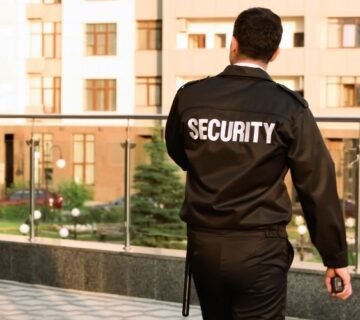
Normally, this solution is considered to be a fire watch, where trained personnel or security guards monitor the affected premises regularly, usually every hour until the system is confirmed to be operational again.
During Hot Work
In hot work operations such as welding, grinding, and cutting, sparks and heat may be generated that can lead to fire outbreaks. According to Canadian workplace regulations and the fire regulations in most provinces, there must be a standby firefighter while hot work is being done and sometimes even after that since sparks can smolder silently and start a fire later on.
This applies even when fire alarms and sprinkler systems are functioning properly.
On Construction and Demolition Sites
Construction and demolition sites are subject to fire watch requirements for a number of reasons. Fire protection systems may not yet be fully functional, or they may be completely shut down during parts of construction. Additionally, these locations are filled with things that are highly flammable, such as spare wood, fuel used for machinery, and the work done here, which adds to the overall fire risk.
Due to such reasons, many cities have obligatory fire watch requirements during certain phases of construction, particularly during the night hours when there are fewer people around to see a potential problem forming.
What a Fire Watch Actually Involves
Proper fire monitoring entails much more than mere standing around. The people responsible for fire watch need to be trained so that they can recognize possible fire hazards, notify the relevant authorities, and take note of the fire safety plan of the site. Fire watch staff will have a specific route that they travel, following a schedule and overseeing staircases, secluded places, and open spaces while also logging their movements.
Moreover, fire monitoring personnel would need to have a reliable means of contacting the relevant authorities the quickest way possible should an incident happen. The fire watch personnel should pay all their attention to their job without any distractions.
Check Before You Assume
Please remember that fire watch regulations vary according to the province’s, municipality’s, and local fire department’s judgments, and you should never assume that your building or work site is safe. The best way to be sure is to discuss it with your local fire department or a qualified fire safety expert and learn what you need to do specifically.
Final Thoughts
Although a fire watch may be regarded as minor, it comes with significant consequences if it’s skipped when required by law. By being aware of possible fire-causing situations such as failures of alarm systems, hot work, or construction areas, one may get ready in advance rather than rushing last minute.
Stay Compliant, Stay Protected
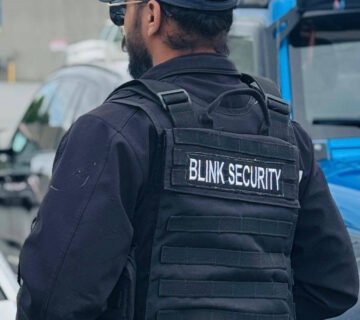
If you need trained fire watch personnel who understand Canadian fire code requirements, reach out to Blink Security. Our team can provide qualified staff on short notice, keep detailed logs for your records, and help you stay compliant while your systems are restored.



No comment