


The gap between a smoothly run event and a chaotic one often comes down to security planning decisions made weeks before the first guest arrives. Here’s the checklist that keeps events running safely from start to finish.
Step One: Assess the Specific Risk Profile
Every event carries a different risk level depending on guest count, alcohol service, venue layout, and whether it’s open to the public or invite-only. Start by honestly assessing these factors, since they determine everything else in your security plan.
Step Two: Determine Guard Count and Positioning
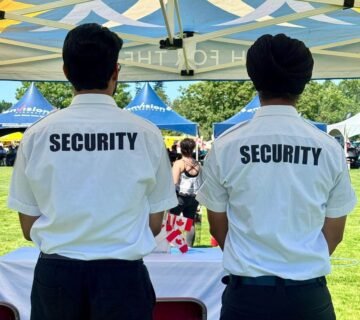
Based on your risk assessment, calculate how many guards you actually need and where they should be positioned. Entry points, exits, and any area serving alcohol typically need dedicated coverage, while roaming guards help cover everything in between.
Step Three: Plan Entry and Credential Checks
Decide in advance how guests will be verified at entry, whether that’s ticket scanning, guest list checks, or ID verification for age-restricted events. A clear, well-staffed entry process prevents bottlenecks and catches issues before they get inside the venue.
Step Four: Establish Emergency Procedures
Every event needs a clear plan for medical emergencies, evacuation, and how guards will communicate with each other and with emergency services if needed. This should be briefed to all security staff before the event, not improvised in the moment.
Step Five: Coordinate With Venue Staff
Security guards work most effectively when they’re coordinated with venue staff, bartenders, and event organizers, rather than operating in isolation. A pre-event briefing that includes both security and venue staff ensures everyone knows the plan and each other’s roles.
Step Six: Plan for the End of the Event
The period as an event winds down and guests are leaving is often one of the highest-risk windows, particularly for events involving alcohol. Make sure security coverage extends through guest departure, not just through the official end time listed on the invitation.
FAQs
How far in advance should event security planning start?
For larger events, starting security planning at least two to three weeks in advance gives enough time to properly staff and brief the team.
How do I calculate how many security guards I need?
A general starting point is one guard per 100 guests, adjusted upward based on alcohol service, venue layout, and overall risk profile.
What’s the biggest mistake event organizers make with security?
Treating security as an afterthought rather than planning it alongside the rest of the event, which often leads to under-staffing or unclear emergency procedures.
Should security guards be briefed before every event, even if they’ve worked similar events before?
Yes, every venue and event has unique details, and a pre-event briefing ensures guards understand the specific layout, risks, and emergency plan for that particular event.
Is security coverage needed after the official event end time?
Yes, guest departure is often a higher-risk window than the event itself, so coverage should extend through until the venue is fully cleared.
Plan Your Next Event With Confidence
Blink Security Ltd provides full event security planning and staffing to keep your guests and venue safe. Contact us today to start planning your event’s security.


No comment