

There is one primary benefit that comes with being able to live in a secure high-rise or gated community. Residents are willing to spend extra money to experience that safety. Therefore, it is important to realize what security really means. This guide will provide practical advice about real security and the main dangers that these properties face, as well as the most appropriate way to come up with a strategy that will secure residents without making them feel uncomfortable.
What Makes These Properties Different
Gated communities and high-rise buildings deal with threats that a single home does not. People traveling in between spaces include the residents themselves, friends, deliverymen, and service staff. Every entrance is a turnpoint for unwanted visitors. With hundreds of residents, the place is difficult to monitor. At the same time, homeowners want to make sure their experience is as smooth as possible. They do not want to wait at the gate or explain why they have come back home again.
Controlling Who Comes In
Endorsements are the most important constituents of access control for any gated property. A gate, a key fob, a code, a visitor log, etc.—these mechanisms should make the life of the residents easier while preventing all others from entering the premises unhindered.
The weakest link in access control often lies in the area of visitor management. A resident can let in a guest without checking who is entering the property, or a driver may take advantage of the fact that another car precedes him in entering through the gate, which has not yet closed. This maneuver, called tailgating, is one of the most common ways in which unauthorized people get inside.
The Role of Staff on the Ground
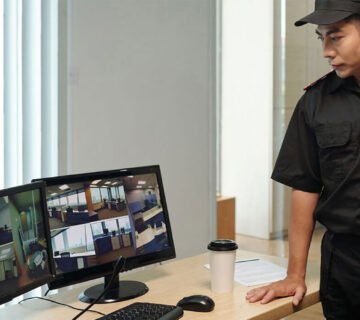
It is not enough to rely on technology for securing a big property. Cameras can catch something happening and slow down the situation, but usually, a trained human is needed to recognize it and give a response.
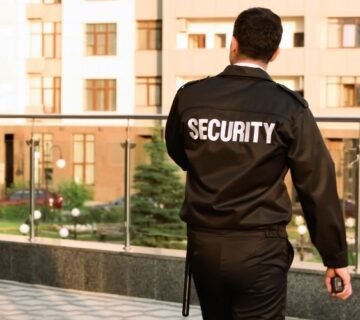
Front desk workers can welcome. Check visitors coming in, and keep an eye out for any unusual activity happening around. The patrol providers operating in a secured community can check deserted areas that cameras do not record.
Moreover, the staff are a link between the residents and the security system. An ordinary community member who feels scared, hears a strange sound, or sees someone unknown on the territory needs someone to contact in order to feel safe.
Where Most Security Gaps Show Up
The weaknesses we find in properties are often very similar. Back doors and staircases are usually left open or, even worse, unlocked, which totally negates the security provided by the front door lock. Parking garages create another problem, as they are large, quiet, and have several entries that are easy to overlook.
The growing problem of package theft is present as well, as deliveries are of much more importance in situations with no system for their safe storage on the premises. Shared facilities like gyms, pools, and lounges represent another problem, as they can be used by outsiders as well.
Balancing Security with Comfort
A successful security plan is not recognizable as a security plan. Residents experience a sense of safety without undergoing the sense of surveillance and a sense of belonging without the fear of being unrelated when they wield their identification for entry into and exit from the property. Achieving this balance requires smart management decisions: placing cameras in locations where they are really necessary and making staff quick and friendly instead of slow and suspicious.
There are also clear benefits of maintaining the balance in the eyes of the property. A property that makes its residents feel safe and comfortable has a good reputation and lets them fill the units that are empty more quickly.
Building the Right Plan for Your Property
Each property is unique, so it is proper to get a good plan by having a look at the property first. This includes walking around the property, inspecting all entrances, and having people’s ideas about the problems they had before.
The right technology, staff, and regulations can be implemented from that point.
Final Thoughts
Securing a gated community or the tall buildings involves more than the mere installation of fences and security personnel. It involves the creation of a solid strategy for controlling entry points into the buildings and common areas and undertaking standard activities essential for residents.
Give Your Residents Real Peace of Mind
If you manage a gated community or high-rise and want a security plan built around your property, reach out to Blink Security. Our team can walk your site, spot the gaps, and build a plan that keeps residents safe without slowing their day.



No comment